


Heart Health Diagnostics
Comprehensive cardiovascular assessments designed to give you a clear understanding of your heart’s rhythm, structure, and long-term cardiovascular wellbeing.
Why Cardiovascular Testing Is Essential for Longevity
Heart health is one of the strongest predictors of long-term vitality and lifespan. Many cardiac issues develop silently and may only become noticeable once symptoms progress.
Our Heart Health diagnostics help you:
- Understand your cardiac rhythm and electrical activity
- Detect structural or functional abnormalities at an early stage
- Gain clarity on circulation, arterial health, and inflammation markers
- Support timely diagnosis when abnormalities are present
- Minimise risk by identifying early warning signs of life-shortening diseases

ECG (Electrocardiogram)
A non-invasive test that records the heart’s electrical activity. Helps detect rhythm irregularities, conduction issues, or other cardiac patterns requiring further evaluation.
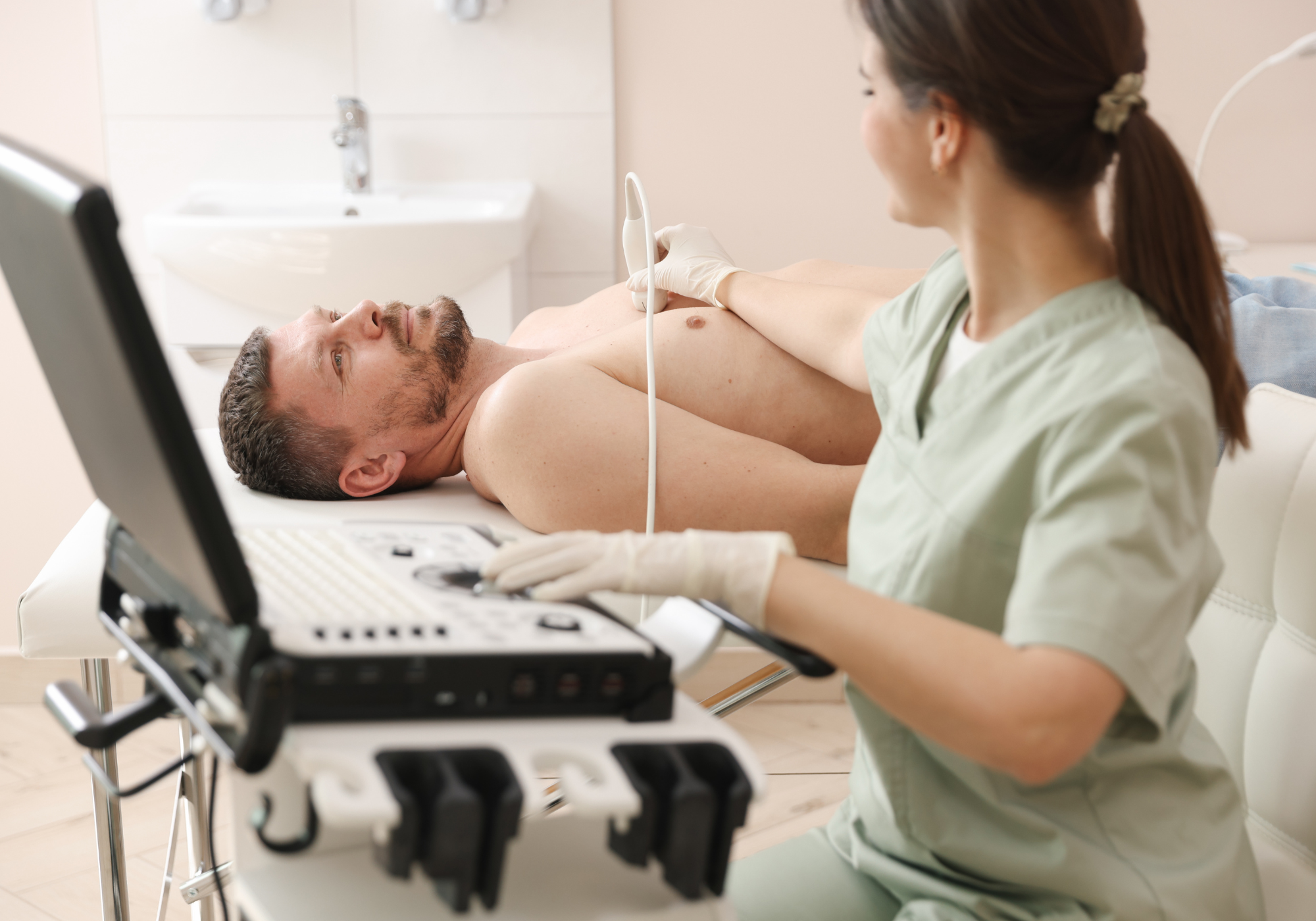
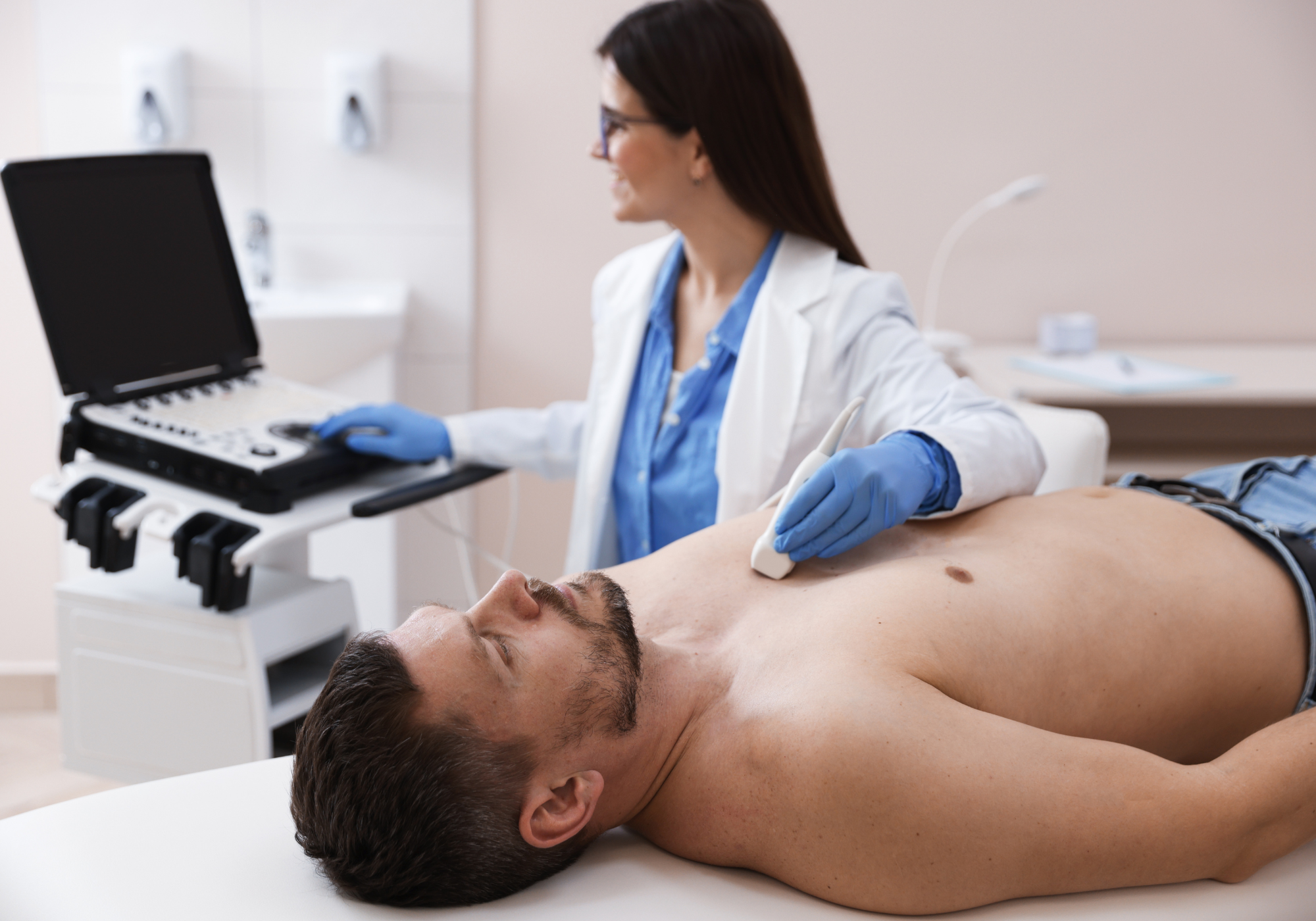
Echocardiogram
An ultrasound of the heart that assesses pumping function, chamber size, valve health, and structural abnormalities.
It is ideal for evaluating breathlessness, fatigue, and unexplained swelling.

Exercise Tolerance Test (ETT)
A treadmill-based assessment to observe how your heart responds to physical stress.
Helpful in evaluating chest discomfort, exertional symptoms, or cardiovascular fitness.
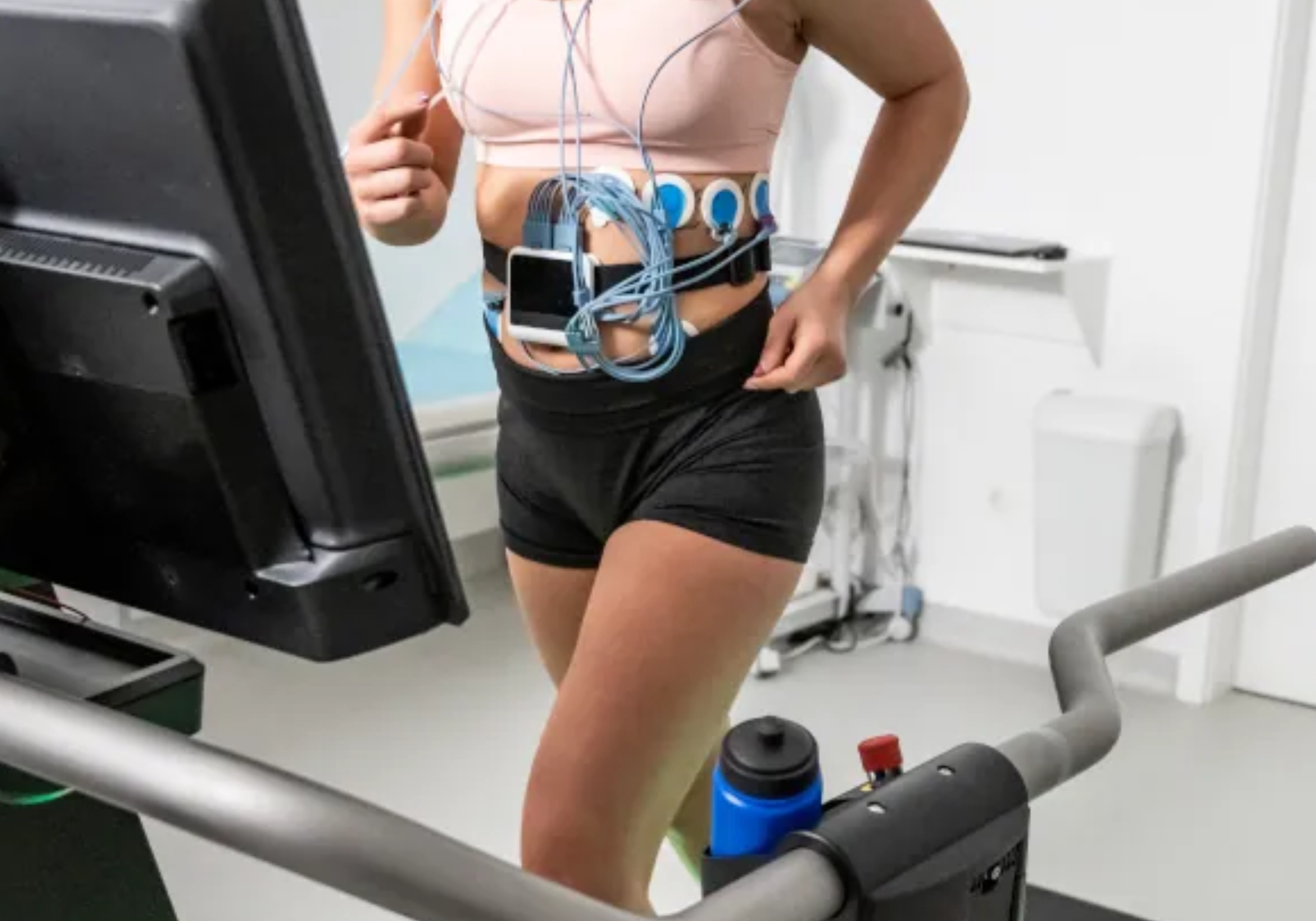
Stress Echocardiogram
Combines exercise (or pharmacological stress) with ultrasound imaging.
It is used to assess blood flow, pumping efficiency, and heart muscle response under stress.
Supports early detection of circulation-related issues that may not appear at rest.

Cardiac Blood Marker Panel
A comprehensive blood test evaluating key cardiac biomarkers.
Includes markers associated with inflammation, cardiac strain, lipid status, and cardiovascular risk.

Cardiac CT Scan
Advanced imaging to visualise arteries and heart structure. Provides detailed insights into coronary calcium, plaque presence, and structural abnormalities.
Supports early detection of changes linked to long-term cardiovascular disease.

Cardiac MRI
A detailed, radiation-free imaging test that evaluates:
- Heart muscle integrity
- Tissue inflammation or scarring
- Functional abnormalities
- Cardiomyopathies
- Blood flow patterns
Recommended when Echo or CT requires deeper evaluation.
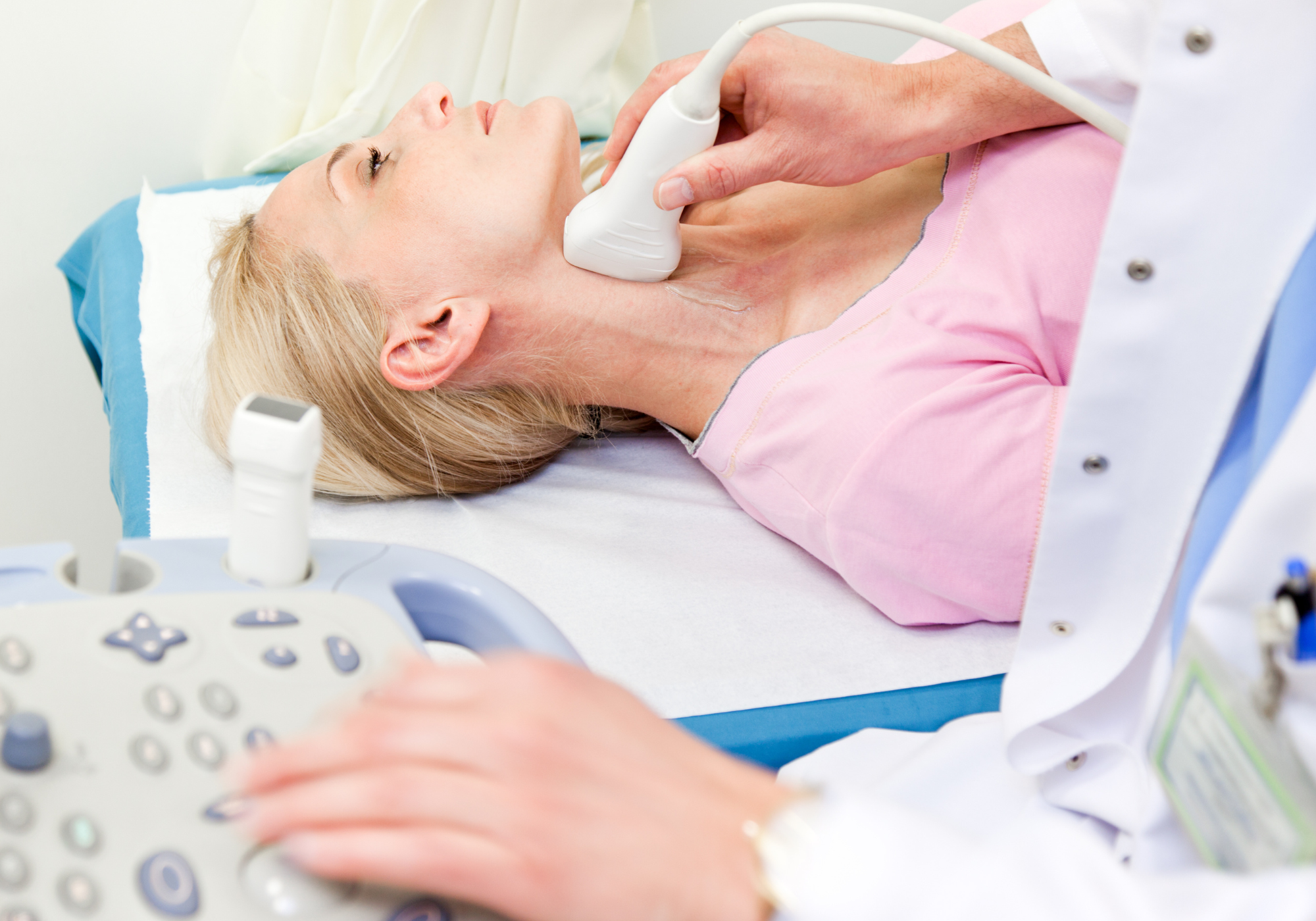
Carotid Doppler Ultrasound
Assesses blood flow in the carotid arteries supplying the brain.
Useful for detecting:
- Narrowing
- Plaque build-up
- Blood-flow irregularities
A key preventive test for stroke risk.
Venous & Arterial Doppler Studies
Ultrasound evaluation of peripheral blood flow.
Helps detect:
- Deep vein thrombosis
- Peripheral artery disease
- Circulation irregularities
- Blockages or reduced flow in limbs
Supports early detection of vascular conditions associated with cardiac risk.
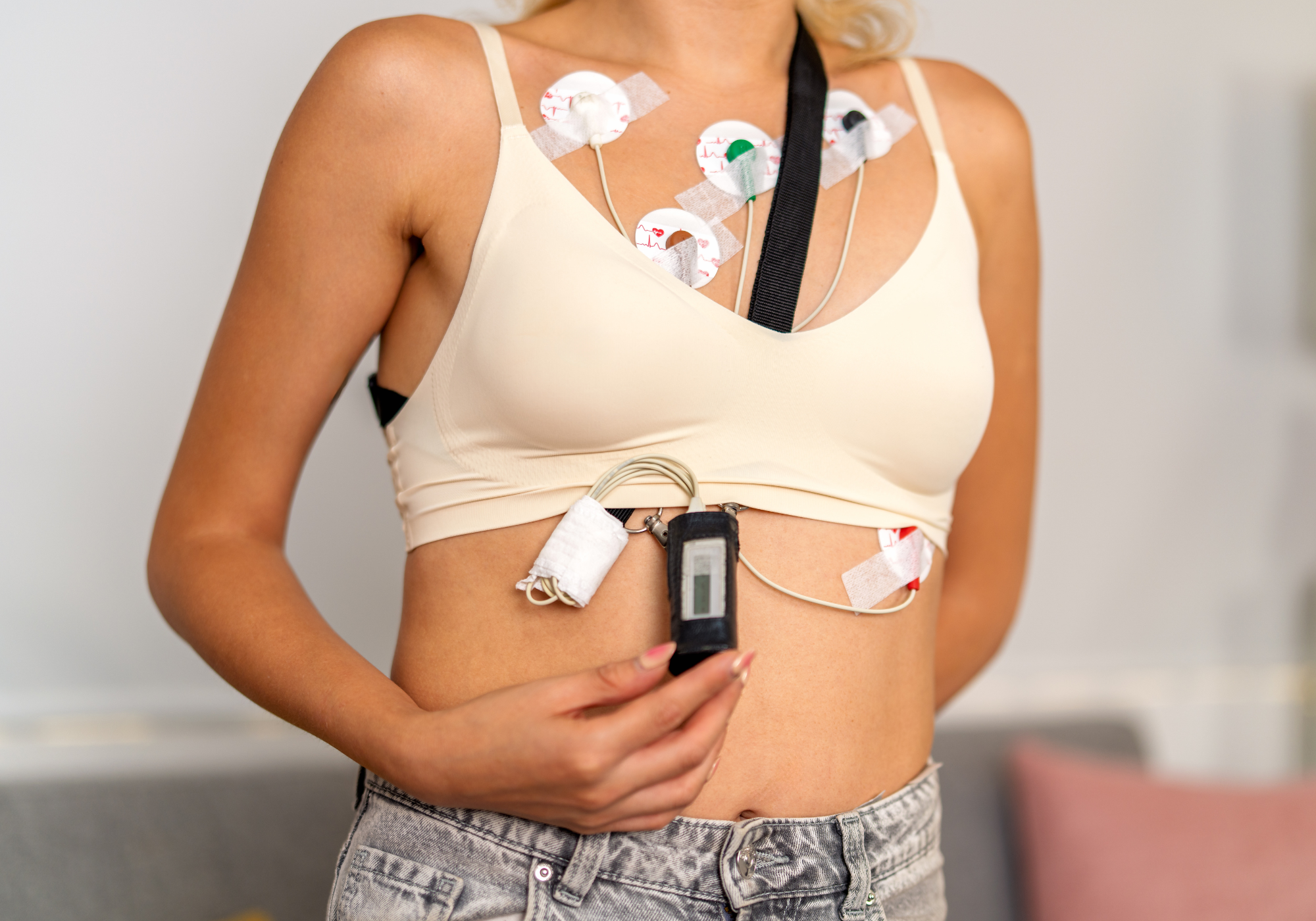
24-Hour Holter Monitor
A continuous, portable ECG device worn for 24 hours to record your heart’s electrical activity throughout normal daily activities and sleep.
This test provides a more complete picture of your cardiac rhythm, especially for conditions that appear sporadically and may be missed during a standard ECG.
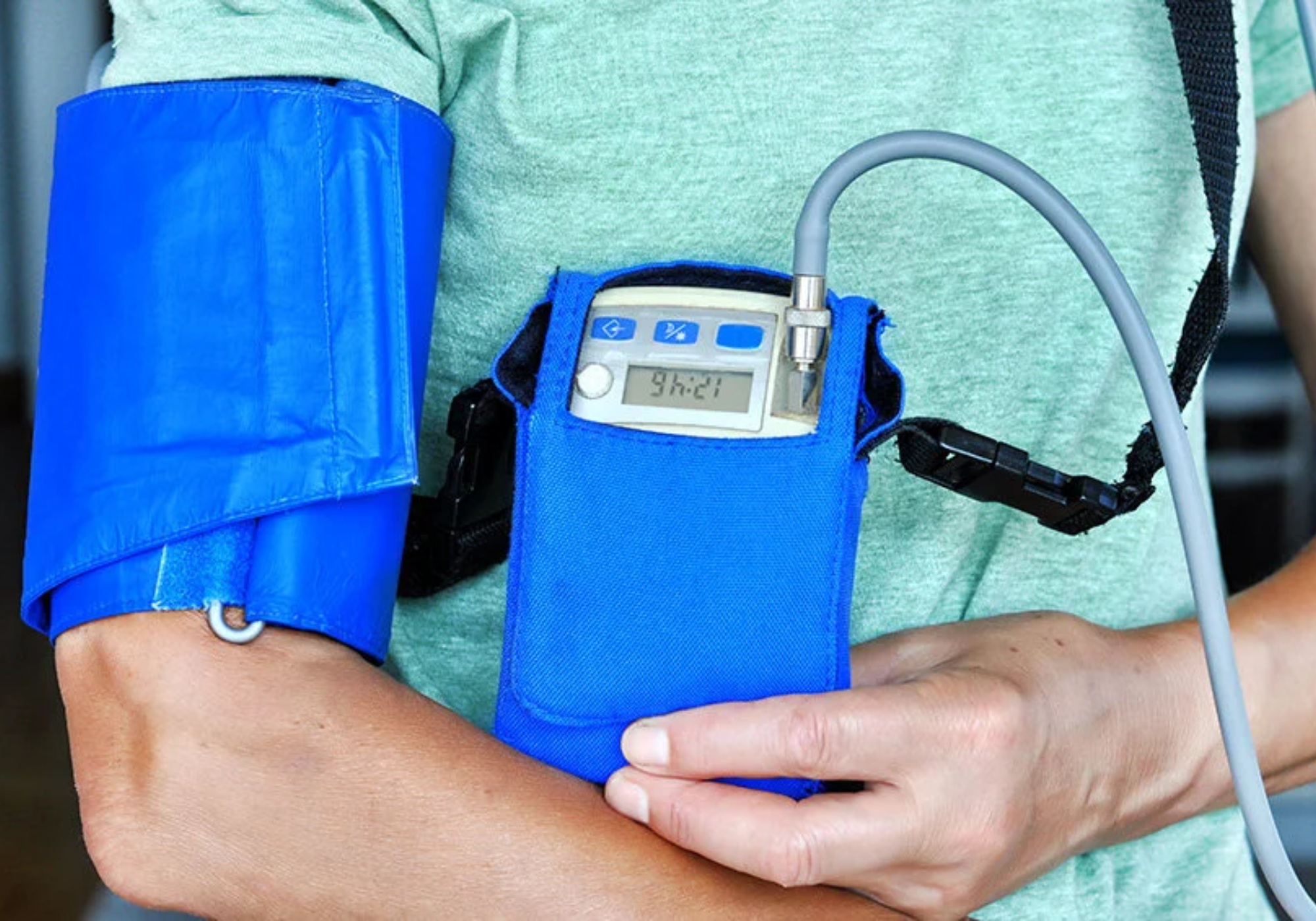
24-Hour Ambulatory Blood Pressure Monitor
A wearable device that measures your blood pressure continuously throughout the day and night.
Provides insight into:
- Hypertension patterns
- Night-time blood pressure changes
- Stress-related spikes
- Treatment-resistant hypertension
Significantly more accurate than single in-clinic readings.
How It Works
Step 1: Initial Consultation
Discuss your symptoms, family history, lifestyle, and concerns. Your consultant will choose the right combination of cardiac tests.
Step 2: In-Clinic Testing & Imaging
ECG, stress tests, and imaging are performed at the clinic or via an accredited partner facility. Blood work is collected onsite.
STEP 3: Specialist Interpretation
Results are reviewed by qualified clinicians trained in cardiac diagnostics.
Step 4: Personalised Plan
You receive a detailed explanation of your results with guidance on next steps, lifestyle modifications, or onward referrals if needed.
Ready to understand your heart health more deeply?
All heart-related diagnostics require a mandatory consultation to determine which tests are suitable and clinically appropriate.
Disclaimer
These tests provide insights into cardiovascular wellbeing and may support timely diagnosis of certain heart-related abnormalities. They are not a substitute for emergency care. If urgent symptoms arise, please seek immediate medical attention.